
Case Study
In Kind Direct: Telling the Human Story of Hygiene Poverty
- Service
- Photography & Video
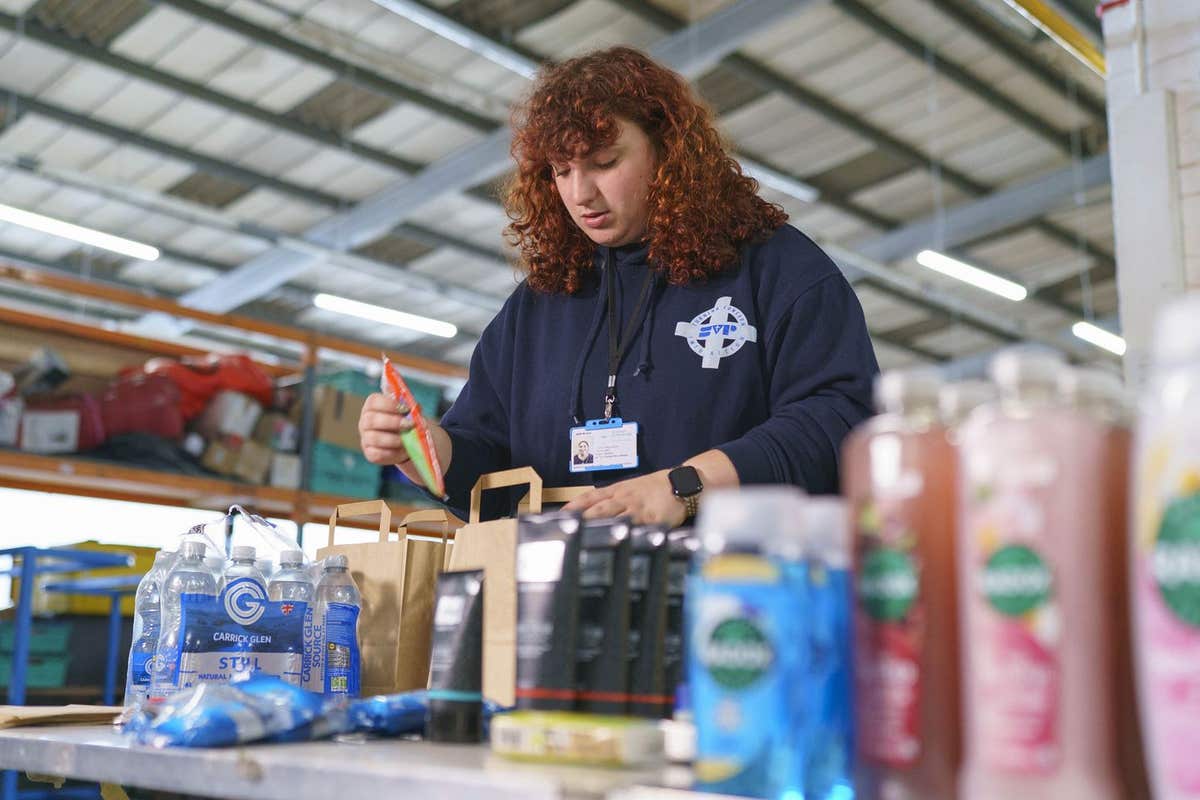
Photo: Dominic Lipinski Media Assignments / PA5 Oct 2026
-
The Project
In Kind Direct: Telling the Human Story of Hygiene Poverty
-
Service
Photography
The Brief
In Kind Direct commissioned Press Association Assignments to create a video exploring the growing issue of hygiene poverty and the changing profile of people affected by it. Filming at St Vincent’s Centre in Bradford, we interviewed Centre Manager Julie-Anne Webb and Sam, a beneficiary, alongside Michael Gidney, CEO of In Kind Direct, and Ruth Brock, CEO of The Hygiene Bank. The aim was to combine first hand experiences with expert context, showing how access to everyday hygiene products can affect dignity, confidence, physical wellbeing and mental health. The finished piece needed to explain a sensitive issue clearly while keeping the people experiencing it at the centre of the story.
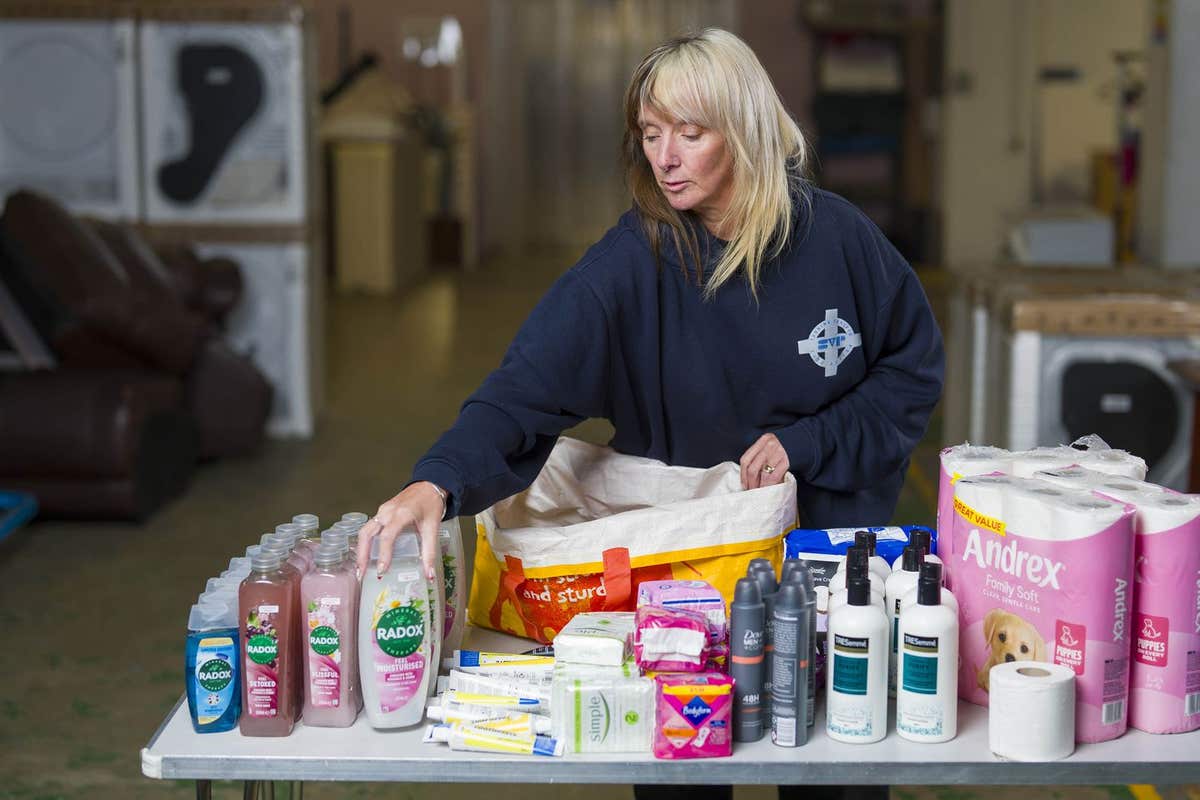
Photo: Dominic Lipinski Media Assignments / PA5 Oct 2026
Challenge & Solution
The subject required a careful, people first approach, particularly when interviewing Sam, who was speaking on camera for the first time about a deeply personal experience. Our producer and camera operator created a quiet, comfortable space away from the main centre, taking time to put her at ease before filming and asking questions sensitively. We balanced her testimony with Julie-Anne Webb’s frontline perspective and interviews with Michael Gidney and Ruth Brock, who provided wider context around hygiene poverty. This combination of lived experience and expert insight allowed us to create an authentic, informative film without losing sight of the human story.

Photo: Dominic Lipinski Media Assignments / PA5 Oct 2026
Results
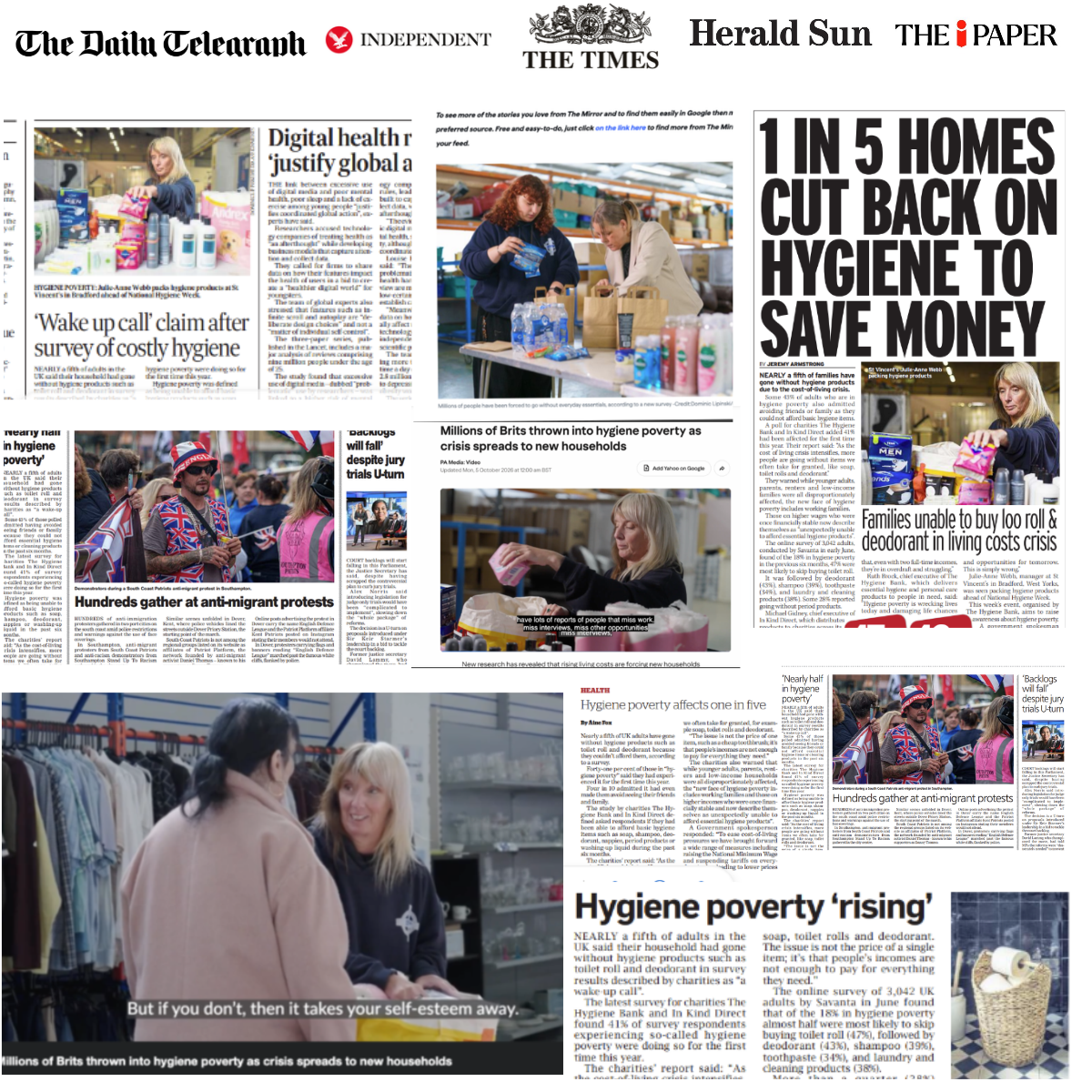
The final video gave In Kind Direct a powerful, human led asset that brought the realities of hygiene poverty to life through honest testimony and expert insight. By combining sensitive interviewing, strong editorial judgement and carefully chosen case studies, we created a story that felt both emotive and newsworthy. The campaign went on to secure more than 350 pieces of media coverage, including The Daily Telegraph, The Independent, The Times and The i Paper, extending the story far beyond the original film and demonstrating the impact of creating content with both people and media reach in mind.
It is a strong example of what Hydrogen Creates is designed to do: bring together compelling content, editorial thinking, distribution and media outreach to give strong stories the best possible chance of travelling further.